
GENUINE SPARES & REPAIR SUPPORT
Wheelchair Parts & Repairs:
Small Components, Everyday Importance
Wear in one component does not always mean the whole wheelchair needs replacing. From wheels and casters to brakes, armrests, and footrests, find compatible spares and diagnostic guidance to keep your chair rolling safely.
GENUINE & COMPATIBLE HARDWARE
Popular Wheelchair Replacement Parts
High-wear components engineered for smooth rolling, reliable braking, and lasting seating stability.
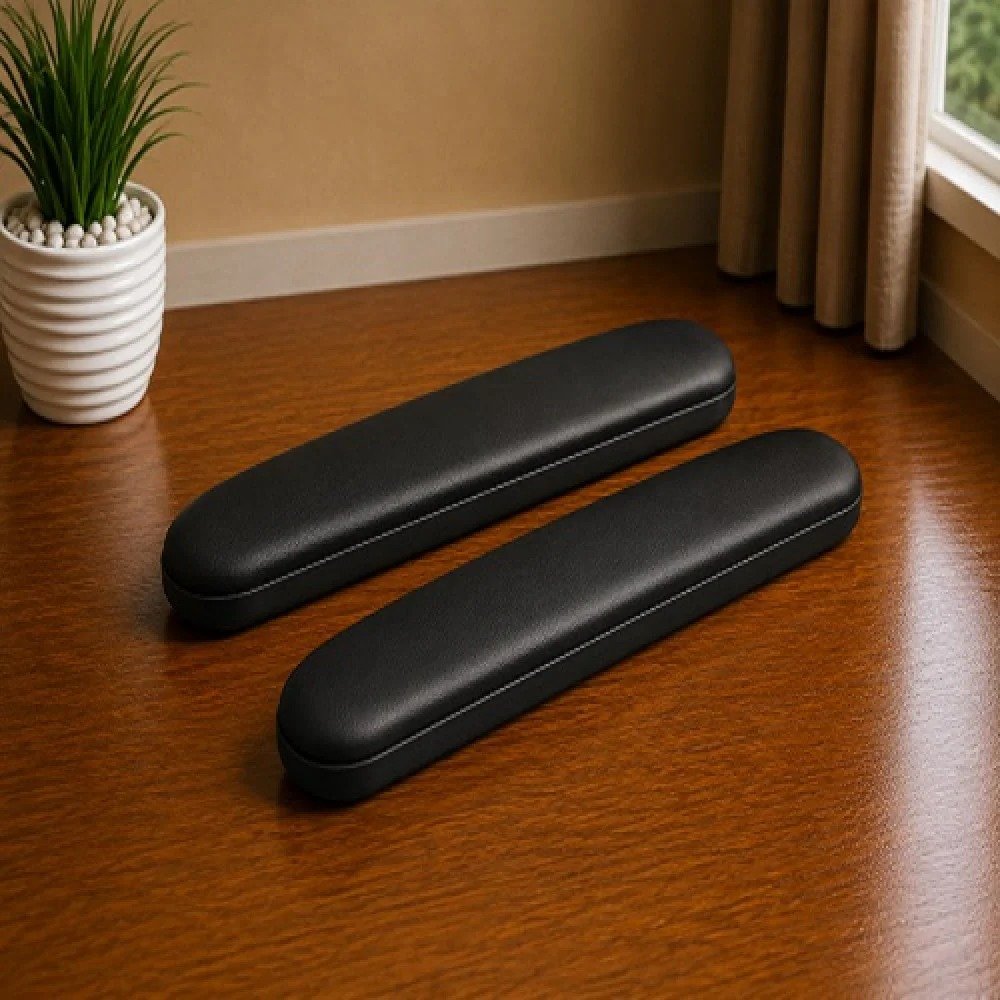
Armrest Pads & Brackets
Desk-length and full-length cushioned arm pads, flip-up locking brackets, and hardware for secure forearm resting.
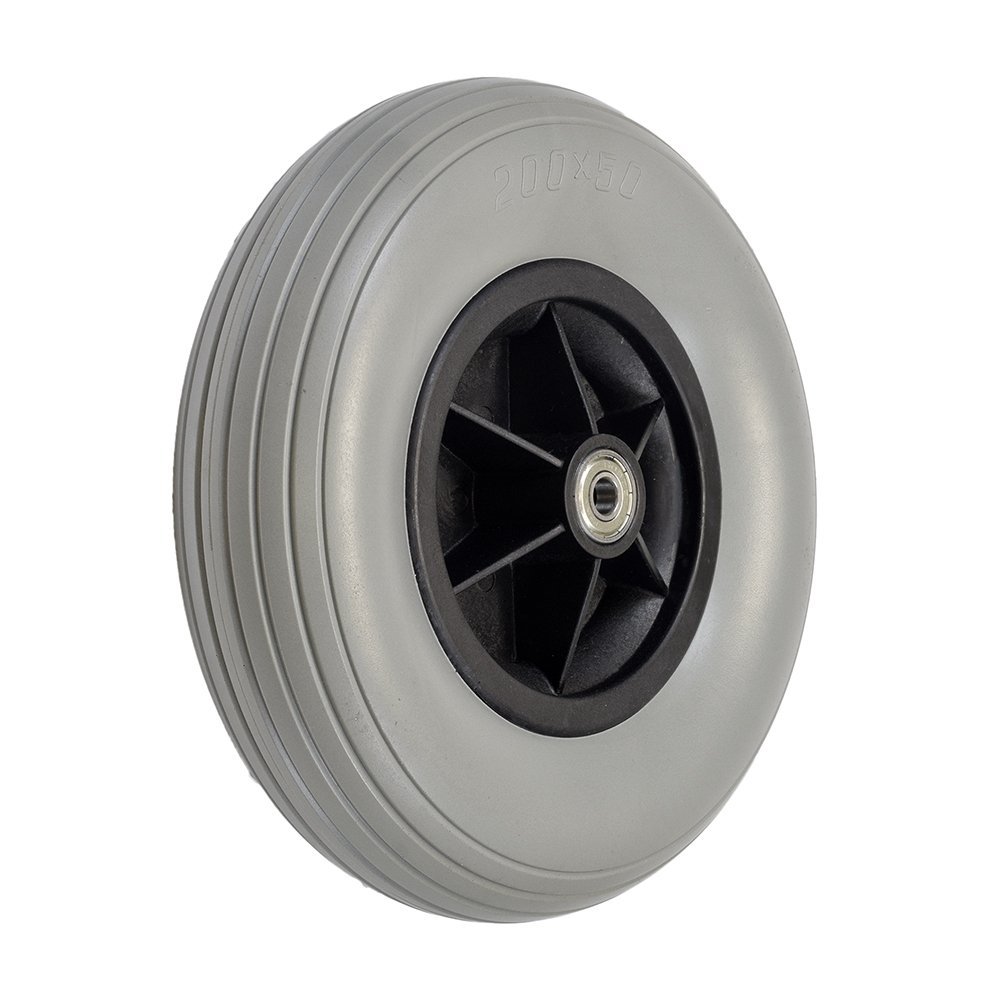
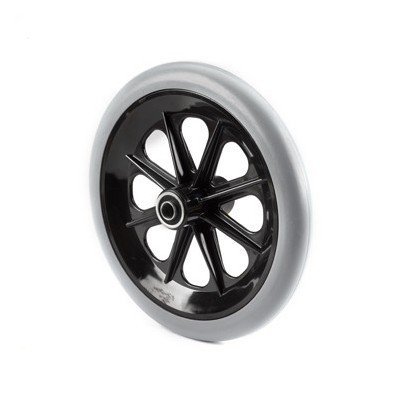
Rear Wheels & Solid Tyres
Puncture-proof solid rubber and pneumatic wheel assemblies with push-rims for reliable rolling support.
Front Casters & Bearings
Heavy-duty caster wheels, sealed ball bearings, and fork attachments to eliminate wobble and ensure smooth steering.
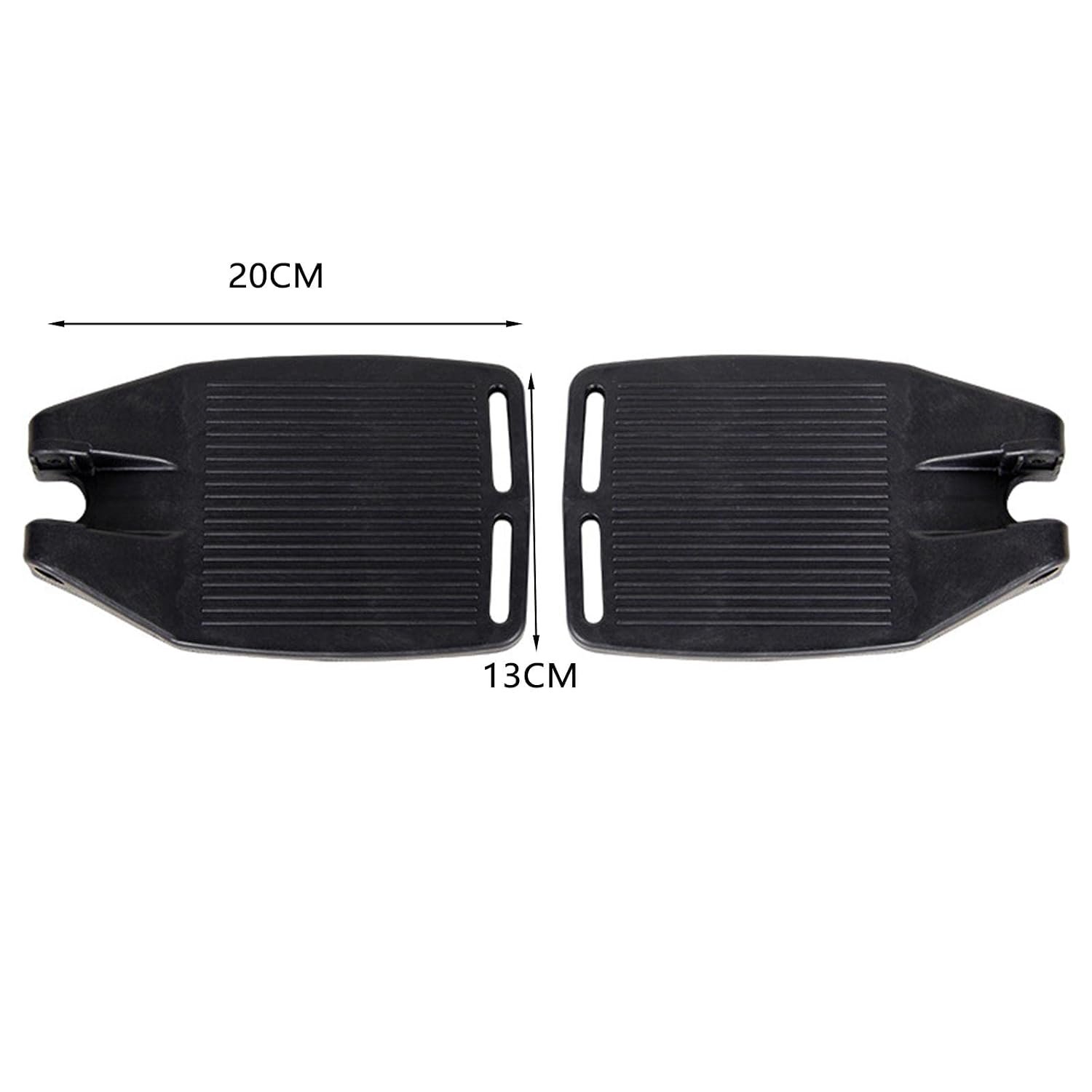
Footplates & Legrests
Swing-away and elevating legrest attachments with durable composite or aluminum footplates and heel loops.
Brakes & Wheel Locks
Push-to-lock and pull-to-lock brake assemblies, lever extensions, and shoe grips to hold the chair stationary.
Cushions & Covers
High-density ergonomic foam, contoured gel cushions, and breathable washable replacement seat covers.
Wheelchair Parts: Small Components, Everyday Importance
Wear in one component does not always mean the whole chair needs replacing. Knowing what each part does helps describe problems clearly.
Wheels & Tyres
Support rolling and ground contact. Attention signs: Worn tread, damage, punctures, or uneven movement.
Front Casters
Help the chair turn and manoeuvre. Attention signs: Wobbling, sticking, grinding noise, or uneven wear.
Armrests
Support the arms during resting and transfers. Attention signs: Loose fittings, cracked pads, or damaged supports.
Footrests
Support and position the feet. Attention signs: Bent parts, loose hinges, or locks that will not engage.
Brakes & Wheel Locks
Control movement or hold chair stationary. Attention signs: Slipping, poor tyre grip, or loose mechanisms.
Cushions & Seating
Provide postural comfort appropriate to the user. Attention signs: Flattening, damage, or discomfort changes.
Why Replacing a Part Can Make Sense
Targeted component servicing maximizes equipment value, saves money, and maintains user familiarity.
Lower Cost
Replacing a worn component costs significantly less than purchasing an entire new wheelchair build.
Longer Equipment Life
A sound structural frame remains usable for years after consumable rolling parts wear out.
Familiar Setup
The user retains their accustomed posture, dimensions, and habituated comfort setup without readjustment.
Quicker Resolution
Compatible spares can be dispatched and fitted much faster than fabricating a completely new wheelchair.
Wheelchair Repair: Manual & Power Chairs
Different wheelchair designs require dedicated servicing approaches. Electrical faults require proper diagnosis before ordering.
Manual Wheelchairs — Mechanical Repairs
Common needs include wheel, tyre, and caster replacement, armrest and footrest adjustments, brake lock calibration, and inspection of frame joints and fasteners.
Power Wheelchairs — Mechanical & Electrical
Repairs involve mechanical assemblies (wheels, casters, frame) plus electrical diagnostics (batteries, motors, joystick controllers, chargers, and wiring harnesses).
Quick Troubleshooting Diagnostic Guide
These symptoms suggest areas to inspect before ordering parts. If frame stability or braking is affected, inspect before continuing use.
Wobbly or Noisy Rolling
Suspect areas: Wheel axle, front caster fork, worn ball bearings, or loose frame fasteners.
Chair Pulls to One Side
Suspect areas: Uneven tyre pressure or wear, dragging brake shoe, or fork axle alignment.
Loose or Cracked Arm Support
Suspect areas: Worn armrest pad foam, stripped mounting screws, or broken bracket latch.
Footrest Will Not Lock
Suspect areas: Swing-away hinge pin, spring latch mechanism, or bent mounting plate.
Moves With Locks Engaged
Suspect areas: Wheel-lock adjustment distance, tyre tread wear, or slipping toggle mechanism.
Power Chair Will Not Move
Suspect areas: Discharged battery, freewheel lever disengaged, wiring connection, or motor fault.
Repair the Part or Replace the Chair?
Weighing frame integrity, safety, cost, and user comfort helps determine the best long-term outcome.
Repair May Be Appropriate When
• The frame is structurally sound
• Wear is limited to replaceable components
• The chair still fits the user
• Compatible parts are available
• The repair offers reasonable value
Consider Replacement When
• The frame is bent, cracked, or severely corroded
• The user's seating or mobility needs have changed
• Suitable parts are unavailable
• Faults keep returning
• Repair costs approach replacement value
Frequently Asked Questions
Everything you need to know about sizing, customization, delivery, and warranty.
Often, yes. The replacement must match the chair’s model, dimensions, and fittings. Share the model details and clear photographs when enquiring.
Yes. Mechanical wear and electrical faults require different checks. Battery, motor, controller, and wiring problems should be assessed by a qualified technician.
Message AARAM with your requirements. For a parts enquiry, include the chair’s make, model, photographs, and a short description of the problem so availability and compatibility can be discussed.
Repair is appropriate when the frame is structurally sound, wear is limited to replaceable components, the chair still fits the user, and parts are available. Consider replacement if the frame is bent or user needs have changed.
Keep Your Wheelchair Moving Reliably
Share your wheelchair parts enquiry or repair requirements. Submit your details below or WhatsApp photos of the worn component to discuss compatibility, availability, and pricing.